Intra Training Nutrition
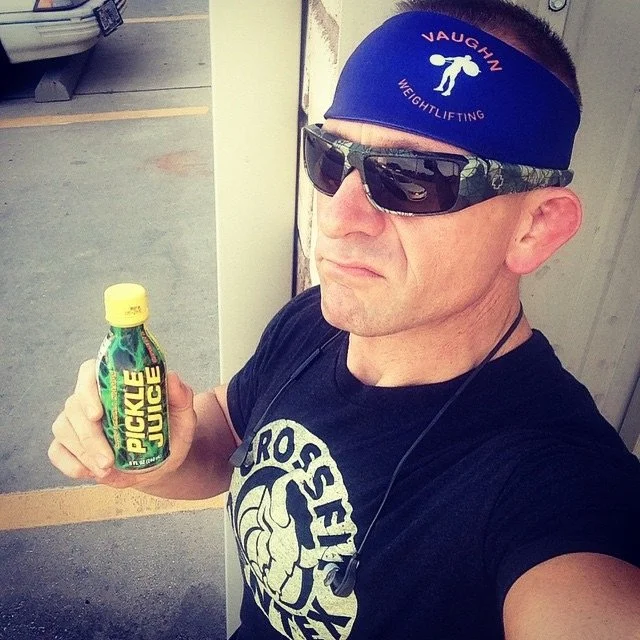
Mid training electrolyte infusion to stave off mineral loss in the Texas Heat
Intra-Training Fueling: The Key to Sustained Performance for Tactical Athletes
For tactical and combat athletes, maintaining peak performance during intense, back-to-back training sessions is critical. Consider a tactical athlete tackling a strength and conditioning session followed by a 60-90 minute Jiu Jitsu session. The demands of this schedule require a strategic approach to fueling, with intra-training nutrition playing a pivotal role. This blog post explores how intra-training fueling interlinks with pre-workout nutrition to optimize performance and combat fatigue.
The Interconnection of Pre and Intra Fueling
Pre, intra, and post fueling are inter-related, and a strong pre-workout strategy can set the stage for the entire session. For our tactical athlete, a carbohydrate- and protein-rich pre-workout meal before the strength and conditioning session ensures glycogen stores are full and muscles are primed. This aggressive pre-workout fueling can reduce the need for intra-workout nutrition, helping sustain exercise output and ward off fatigue. As the athlete transitions to the Jiu Jitsu session, this foundation allows them to maintain energy for dynamic movements and grappling, potentially making intra-fueling less essential if the pre-workout nutrition was sufficient.
Goals of Intra-Training Fueling
The primary aims of intra-training fueling align with the needs of a combat athlete:
• Sustain exercise output: Consistent energy levels during the Jiu Jitsu session ensure sustained technique and power.
• Ward off fatigue: Delaying fatigue is crucial, as it can impair performance and increase vulnerability in a tactical context.
Fatigue: A Multi-Headed Beast
Fatigue poses a complex challenge, especially across a dual-session day. The course highlights:
• Mental and physical fatigue: Both must be managed to keep the athlete sharp.
• Mental fatigue yielding physical fatigue: Cognitive strain can sap physical strength.
• CHO mouth rinsing: Rinsing with carbohydrates can impact blood sugar levels, potentially activating oral receptors to stimulate the brain’s reward and motivation centers, though efficacy may be limited in a fed state.
• Hydration importance: Benchmarking fluid loss helps tailor hydration strategies, preventing performance drops.
• Hypoglycemia: Low blood sugar brings on symptoms of fatigue (mental and physical), emphasizing the need for balanced fueling.
For our athlete, sipping a carbohydrate drink during Jiu Jitsu could provide a mental boost, complementing the pre-workout foundation.
Tailoring Intra-Training Fueling
The course outlines how fueling varies by exercise type:
• Prolonged exercise with glycogen depletion vs. shorter high-intensity efforts: Different needs dictate different carbohydrate benefits, with sustaining RPE (rate of perceived exertion) being key.
• Positive impact on recovery: Intra-fueling limits glycogen depletion and attenuates muscle breakdown, aiding post-session recovery.
A light intra-workout option, like a gel or electrolyte drink, can top off energy during the Jiu Jitsu session if pre-workout fueling was robust.
Areas of Optimization
To fine-tune intra-training fueling:
• General rule: Athletes can use 10-15g or 30-60g of carbs per hour, with better results from spacing intake every 10-15 minutes versus 30-60 minutes (14g/8oz).
• Greatest benefit: Seen when training exceeds 90 minutes, making it relevant for longer sessions.
• High intensity > 90 minutes: Carbohydrates via beverage enhance sugar utilization and mental perceptions, with carbohydrate-based sports drinks boosting moderate/high-intensity performance in hot environments.
• Neglected pre-training nutrition: Intra-training carbs can compensate, ensuring energy levels remain stable.
• Intensity and duration impact: Low/moderate intensity conditioning under 60-75 minutes generally doesn’t warrant intra-fueling, while longer, intense sessions benefit most.
For our athlete, a pre-workout meal might suffice for the initial strength session and part of Jiu Jitsu, but adding 30-60g of carbs per hour (e.g., via a sports drink) could optimize performance if the session extends beyond 90 minutes.
Practical Strategy for Tactical Athletes
Given the 60-90 minute Jiu Jitsu session, intra-training fueling should be tailored. If pre-workout nutrition was solid, a light carbohydrate source (e.g., fruit or a sports drink) every 10-15 minutes can sustain energy without overloading the system. In hot environments, a carbohydrate-based sports drink can enhance performance. However, if the conditioning is low/moderate intensity and under 75 minutes, intra-fueling may be unnecessary, relying instead on the pre-workout foundation.
This integrated approach ensures our tactical athlete remains combat-ready, balancing pre- and intra-fueling to conquer fatigue and sustain peak performance throughout their demanding day.
